
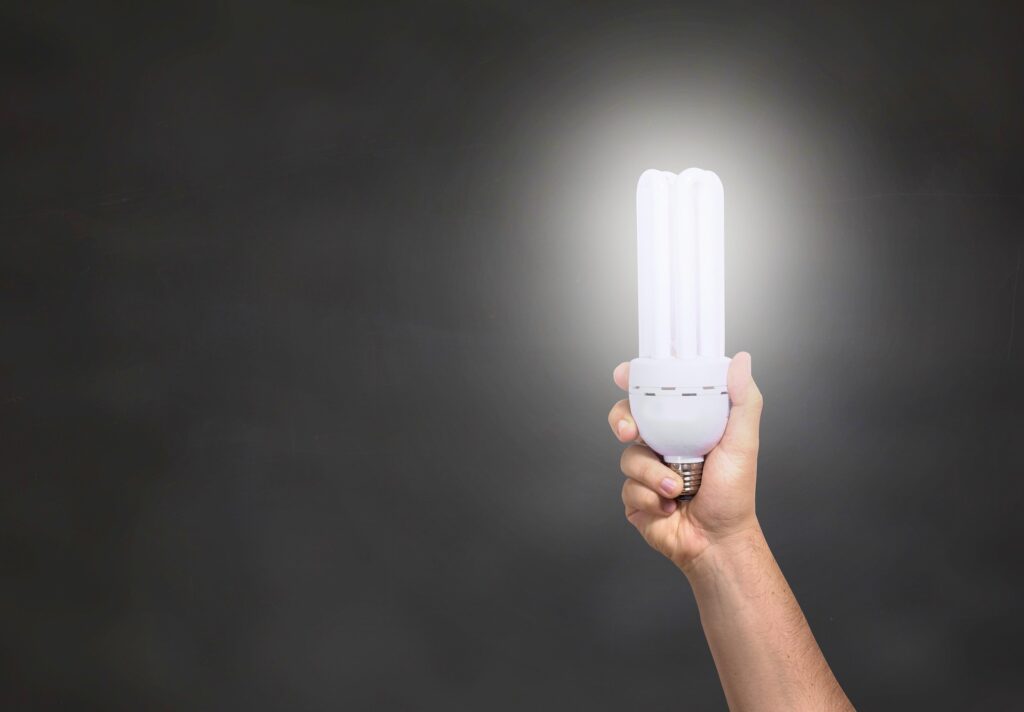
Reducing energy consumption at home is one of the most effective ways to lower your environmental impact while also saving money. Many homeowners assume that energy efficiency requires expensive upgrades, but the truth is that small daily habits can make a significant difference over time.
By paying attention to how energy is used in your home, you can make simple adjustments that reduce electricity waste without sacrificing comfort. Here are nine practical energy-saving tips that can help make your home more efficient.
- Switch to LED lighting
LED bulbs use significantly less energy than traditional incandescent bulbs and last much longer. Replacing older light bulbs with LED alternatives is one of the easiest ways to reduce electricity usage throughout your home. - Turn off lights when leaving a room
It may sound simple, but many households waste electricity by leaving lights on in empty rooms. Building the habit of switching off lights when you leave a space can reduce unnecessary energy use. - Unplug electronics that are not in use
Many devices continue to draw small amounts of electricity even when they are turned off. This is often called “phantom energy.” Unplugging chargers, appliances, and electronics when they are not being used can help eliminate this hidden energy drain. - Use natural light whenever possible
Opening curtains and letting sunlight illuminate your home during the day reduces the need for artificial lighting. Natural light also creates a brighter and more pleasant indoor environment. - Wash clothes with cold water
Most of the energy used by washing machines comes from heating water. Switching to cold water cycles when possible can significantly reduce energy consumption while still cleaning clothes effectively. - Run appliances with full loads
Dishwashers and washing machines use nearly the same amount of energy regardless of how full they are. Running these appliances only when they are full helps maximize efficiency and conserve both energy and water. - Seal drafts around windows and doors
Small gaps around windows and doors can allow heat or cool air to escape, forcing your heating and cooling systems to work harder. Sealing these gaps with weather stripping or door seals can improve energy efficiency throughout your home. - Use smart power strips
Smart power strips automatically cut power to electronics that are not being used. This prevents standby power consumption and can reduce electricity waste from devices like televisions and gaming systems. - Adjust your thermostat wisely
Lowering your thermostat slightly during colder months or raising it slightly during warmer months can reduce energy consumption without making your home uncomfortable. Even a small adjustment can lead to noticeable energy savings over time.
Improving energy efficiency at home doesn’t require major renovations. Consistent habits and thoughtful choices can gradually lower your household’s energy use while creating a more sustainable living environment. If you’re working toward building greener routines throughout your home, you may find additional helpful ideas in sustainable home habits for beginners.
Energy efficiency also works best when combined with other eco-friendly improvements. Simple changes like choosing reusable household items and reducing waste contribute to a more environmentally responsible home overall. For inspiration on making your living space both stylish and environmentally conscious, you may also enjoy exploring eco-friendly home decor ideas that look beautiful.
