
Start Your Day with Calmness
Stress can build up quickly, affecting both your mind and body. By practicing simple stress-relief techniques, you can reduce tension, improve focus, and maintain overall wellness throughout the day.
These methods are easy to integrate into your routine, whether at home, work, or on the go.
Deep Breathing Exercises
Deep breathing helps activate the body’s relaxation response, reducing heart rate and calming the nervous system. Try inhaling slowly for four counts, holding for four, then exhaling for six.
Even a few minutes of deep breathing can help relieve anxiety and reset your focus.
Progressive Muscle Relaxation
This technique involves tensing and releasing different muscle groups to relieve physical tension. Start from your toes and work up to your head, noticing the difference between tension and relaxation.
Practicing progressive muscle relaxation daily can reduce chronic stress and improve sleep quality.
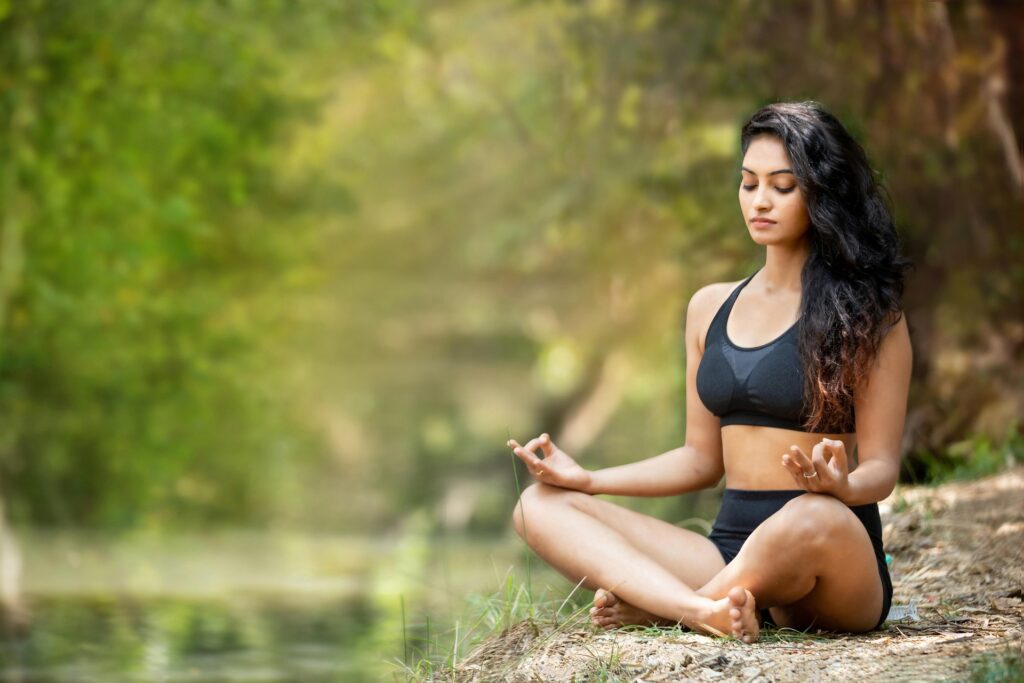
Mindful Meditation
Meditation encourages present-moment awareness, helping you let go of worries about the past or future. You can practice mindfulness for just 5–10 minutes a day.
Apps, guided audio, or simple silent breathing can all support a meditation practice.
Quick Stretching Sessions
Stretching helps release tight muscles caused by stress and prolonged sitting. Focus on your neck, shoulders, and back, or try full-body stretches to energize yourself.
Frequent stretching breaks improve circulation and posture while calming the mind.
Visualization Techniques
Visualizing peaceful and positive scenarios can reduce stress and enhance emotional balance. Picture a calm beach, forest, or quiet room and immerse yourself in the sensory details.
This technique is effective during short breaks, travel, or even at your desk.
Journaling for Emotional Clarity
Writing down thoughts and feelings can help process emotions and reduce mental clutter. Even just a few minutes of journaling each day can improve mood and mental clarity.
Pair journaling with reflective prompts or gratitude lists to enhance well-being.
Listening to Calming Music
Music has a direct impact on emotions and stress levels. Choose slow, relaxing tunes or nature sounds to create a soothing environment.
Listening to music during commutes, breaks, or quiet evenings can significantly lower stress levels.
Connect with Nature
Spending time outdoors in natural surroundings reduces cortisol and promotes relaxation. Even a short walk in a park, backyard, or garden can help you feel calmer and more grounded.
Incorporating daily nature breaks is a simple way to support mental wellness.
Practice Self-Compassion
Be kind to yourself during stressful moments. Gentle self-talk and forgiveness can reduce negative thoughts and prevent stress from escalating.
Pair self-compassion with other relaxation practices for a more balanced approach.
Integrate Daily Wellness Habits
Stress relief is most effective when it becomes part of a broader lifestyle. People who adopt Simple Habits for a Balanced Life or follow How to Stay Motivated for Daily Exercise and Wellness often experience reduced stress naturally.
Small, consistent practices lead to long-term mental and emotional benefits.
By using these techniques, stress becomes more manageable and less overwhelming. Integrating even a few into your daily routine can improve focus, mood, and overall wellness.
