
An organized kitchen can do more than just make cooking easier. When done thoughtfully, it can also support a more sustainable lifestyle. Green kitchen organization focuses on reducing waste, using eco-friendly storage solutions, and creating systems that make it easier to maintain sustainable habits every day.
The first step toward an eco-friendly kitchen is evaluating what you already have. Many households accumulate unused containers, utensils, and gadgets that end up cluttering cabinets and drawers. Decluttering your kitchen and keeping only the items you regularly use helps reduce unnecessary consumption and makes it easier to maintain an organized space.
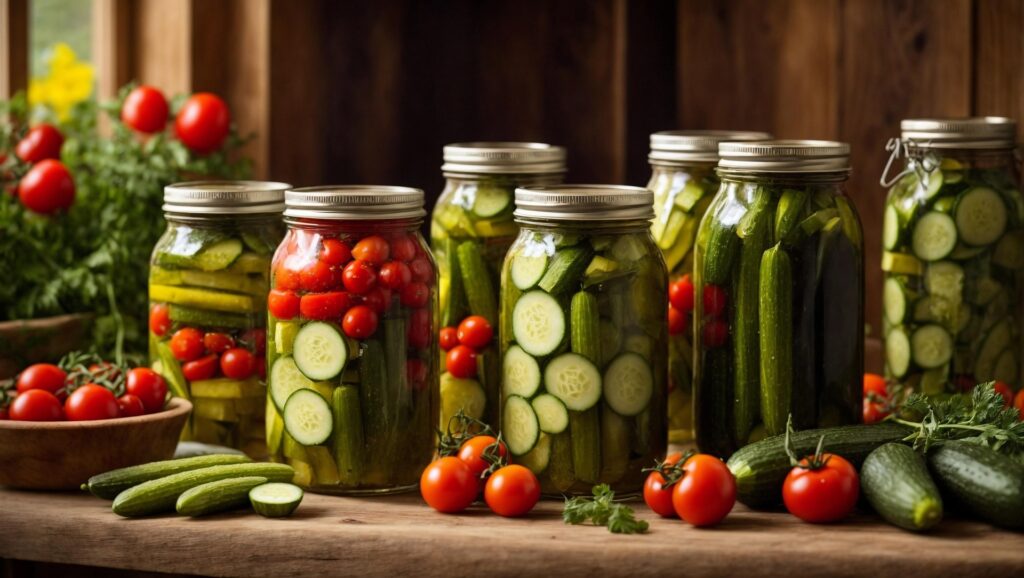
Reusable storage is one of the most important parts of sustainable kitchen organization. Glass jars, stainless steel containers, and silicone storage bags are excellent alternatives to disposable plastic bags and wraps. They last longer, are easier to clean, and help reduce the amount of plastic waste your kitchen produces. If you’re looking for more ways to incorporate environmentally friendly materials into your living space, you may also enjoy exploring green products for home.
Pantry organization also plays a major role in reducing waste. Keeping dry goods like rice, pasta, beans, and grains in labeled containers helps you see exactly what you have on hand. This makes meal planning easier and prevents food from being forgotten and eventually thrown away. Clear containers or jars are especially useful because they allow you to quickly check inventory without opening every container.
Another effective strategy is creating a dedicated space for bulk foods. Many grocery stores offer bulk sections where you can purchase grains, nuts, and spices with minimal packaging. Storing these items in reusable containers keeps your pantry tidy and reduces single-use packaging from entering your home.
Food waste is a common issue in many kitchens, but simple organization techniques can help minimize it. Keep frequently used items at eye level and store older ingredients toward the front so they are used before newer purchases. This “first in, first out” method helps ensure food gets used before it expires.
Drawer organizers can also help maintain order in your kitchen. Bamboo drawer dividers and wooden utensil trays are sustainable alternatives to plastic organizers. They help keep tools neatly arranged while supporting eco-friendly materials in your home.
A compost container is another helpful addition to a sustainable kitchen. Keeping a small compost bin on the counter or under the sink encourages you to separate food scraps like vegetable peels, coffee grounds, and eggshells. Composting keeps organic waste out of landfills and contributes to healthier soil when used in gardens.
It’s also helpful to create a cleaning station that supports eco-friendly habits. Keeping reusable cleaning cloths, natural cleaning solutions, and refillable spray bottles in one accessible area makes it easier to maintain a sustainable cleaning routine. If you’re interested in practical ways to maintain an environmentally responsible home, you might find useful ideas in 9 energy-saving tips to make your home more efficient.
Green kitchen organization is ultimately about creating systems that support long-term habits. When storage is practical and items are easy to find, you’re less likely to waste food or rely on disposable products. Over time, these small organizational improvements can lead to a kitchen that is not only cleaner and more efficient but also significantly more sustainable.
